Optimization for ACC service 2

Optimization for ACC service 2

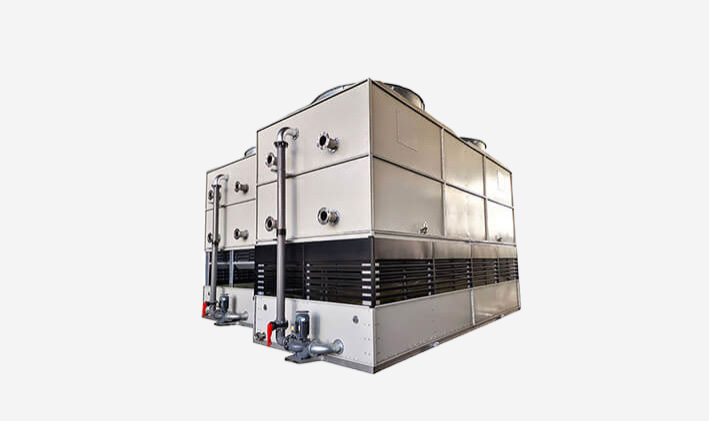
Traditional air-cooled condensers face a fundamental limitation: their performance is directly susceptible to external weather. This results in inefficient summer operation and demanding winter maintenance.Upgrade to a smarter hybrid solution. By incorporating an evaporative condenser to share the load, the system mitigates these environmental drawbacks. The result is a more robust, economical, and safer turbine operation throughout the year.

Email: yubk@lydrev.com

Description

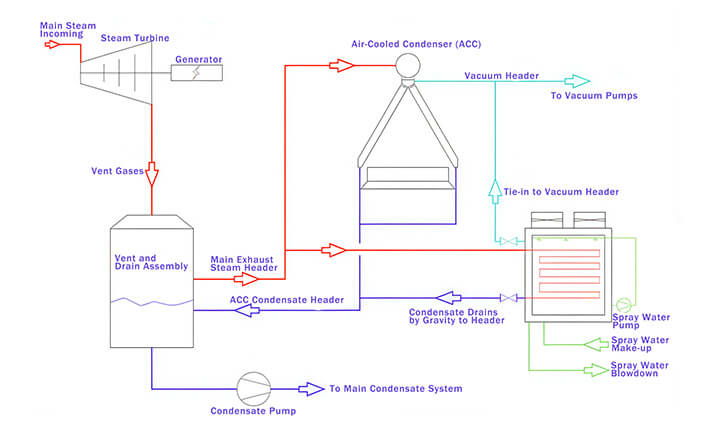
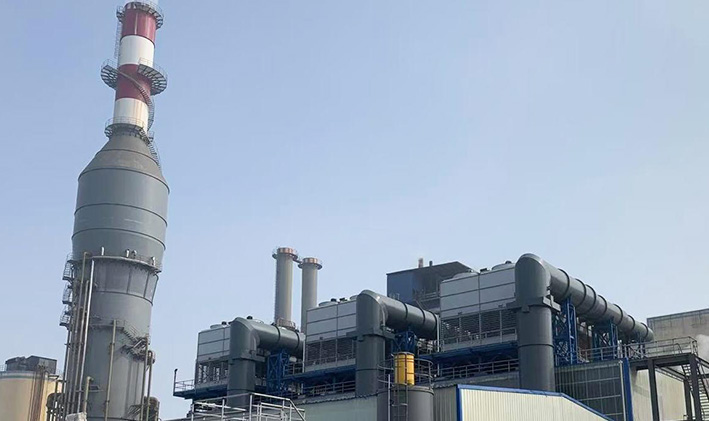
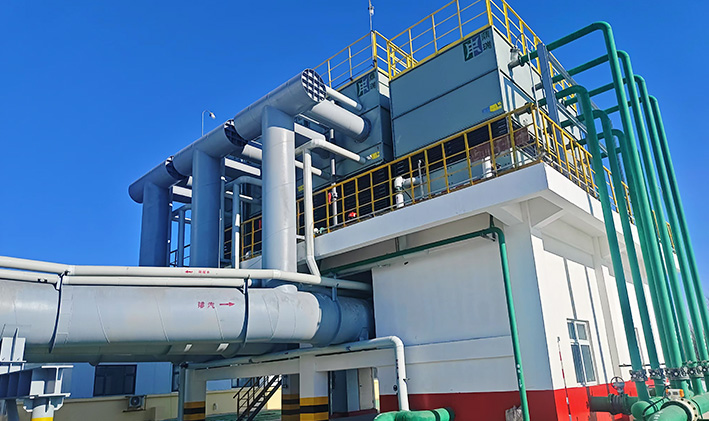
  • Typically, an evaporative condenser is configured based on the direct air-cooled system. A steam distribution pipe is branched off from the main exhaust pipe of the original air-cooled island. Part of the exhaust steam from the steam turbine is sent to the evaporative condenser for condensation through the steam distribution pipe, and the condensed water is returned to the hot well of the exhaust device (or condensate tank) via the condensate pipe. The evaporative condenser is equipped with a vacuum pumping pipeline, which is connected to the vacuum pumping main pipe of the original air-cooled island (as shown in the figure below). When the unit operates at high back pressure in summer, part of the steam flow is diverted to the condenser for condensation, relieving the pressure on the direct air-cooled radiator and achieving the goal of reducing back pressure.

    In spring, autumn, and winter, when the unit operates at low back pressure or under other load conditions, a combined operation mode is adopted—including frequency conversion of the air-cooled fan, activation of the peak cooling device, or shutdown of some modules—to achieve energy-saving and optimized operation.


    detail-1
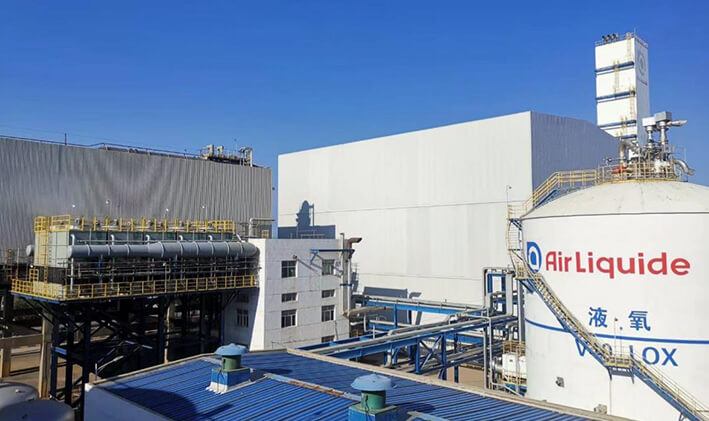
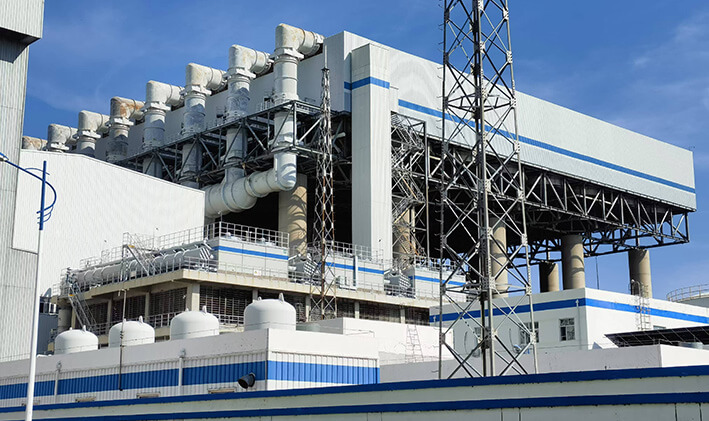
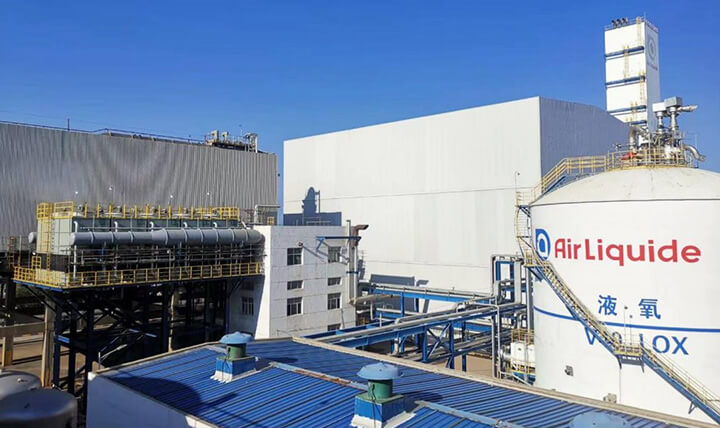
  • For this project, an evaporative condenser is configured based on the direct air-cooled system. A steam distribution pipe is branched off from the main exhaust pipe of the original air-cooled island. Part of the exhaust steam from the steam turbine is sent to the evaporative condenser for condensation through the steam distribution pipe, and the condensed water is returned to the hot well of the exhaust device via the condensate pipe. The evaporative condenser is equipped with a vacuum pumping pipeline, which is connected to the vacuum pumping main pipe of the original air-cooled island (as shown in the figure below). Part of the steam flow is diverted to the condenser for condensation, relieving the pressure on the direct air-cooled radiator and achieving the goal of reducing back pressure. In spring, autumn, and winter, when the unit operates at low back pressure or under other load conditions, a combined operation mode—including frequency conversion of the air-cooled fan, activation of the peak cooling device, or shutdown of some modules—is adopted to achieve energy-saving and optimized operation.
    detail-2
  • detail-3
  • detail-4
  • detail-5

Fill in Your Requirements

    • Name:

    • *Email:

    • Country:

    • Tel/WhatsApp:

    • *Message:

    Home Tel Mail Inquiry