
Optimization for ACC service 1

Optimization for ACC service 1

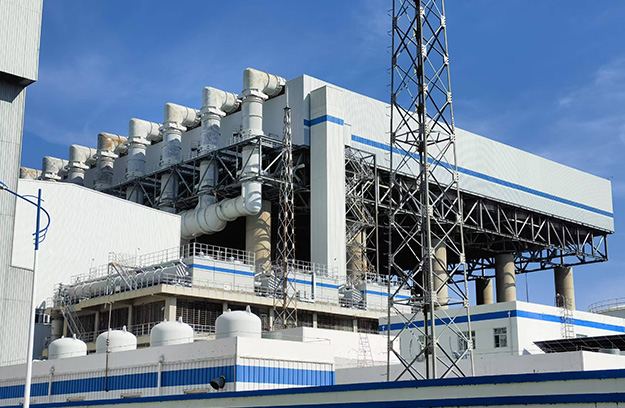
Air coolers, including both direct and indirect air-cooled condensers, are prone to being affected by environmental temperature and wind during actual operation. This leads to objective issues such as high backpressure and limited load in summer, as well as high energy consumption and the need for winterization measures in winter.
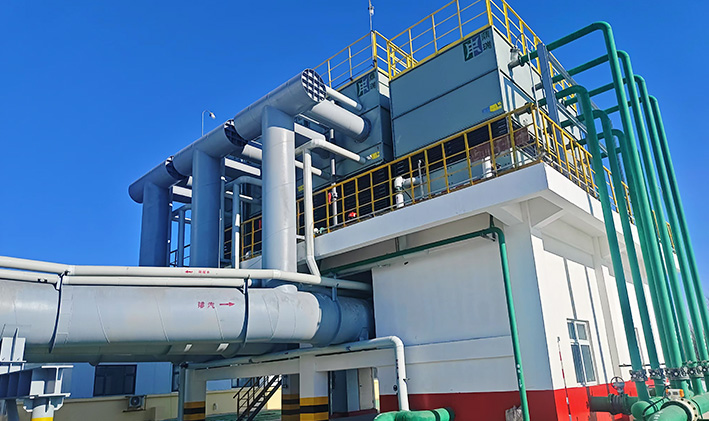
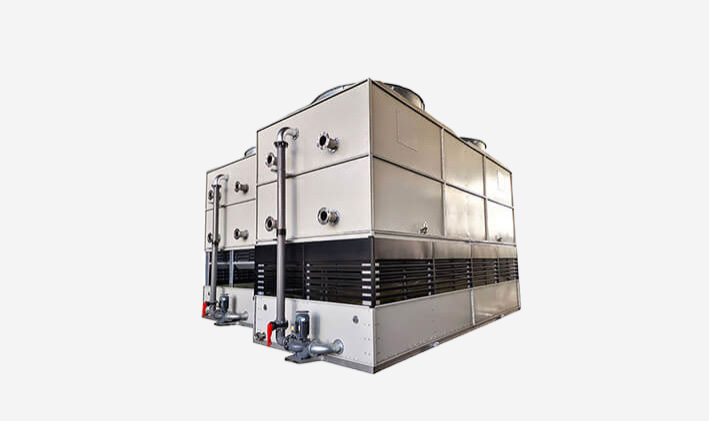
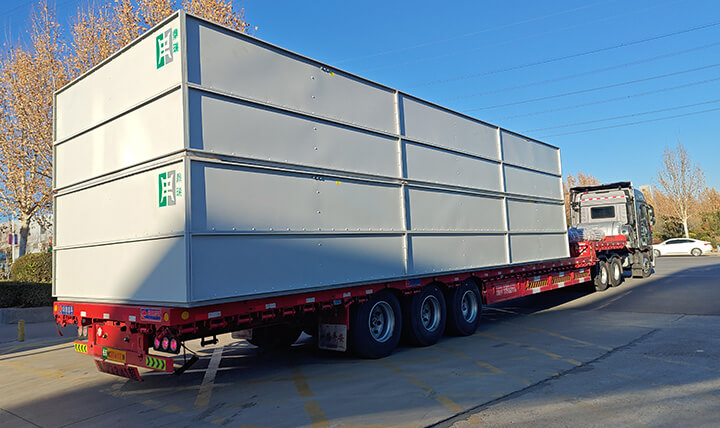
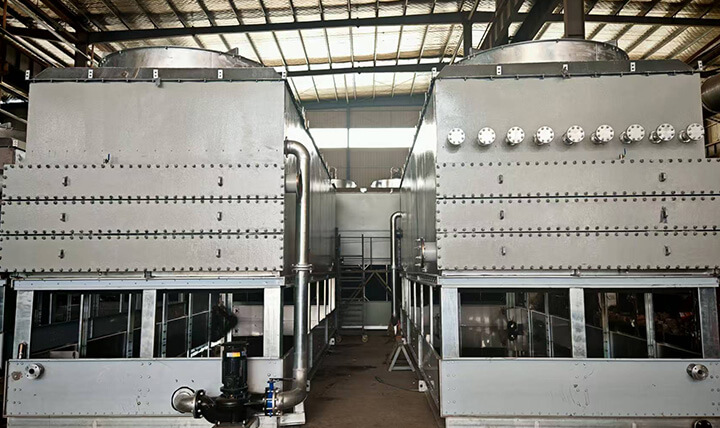
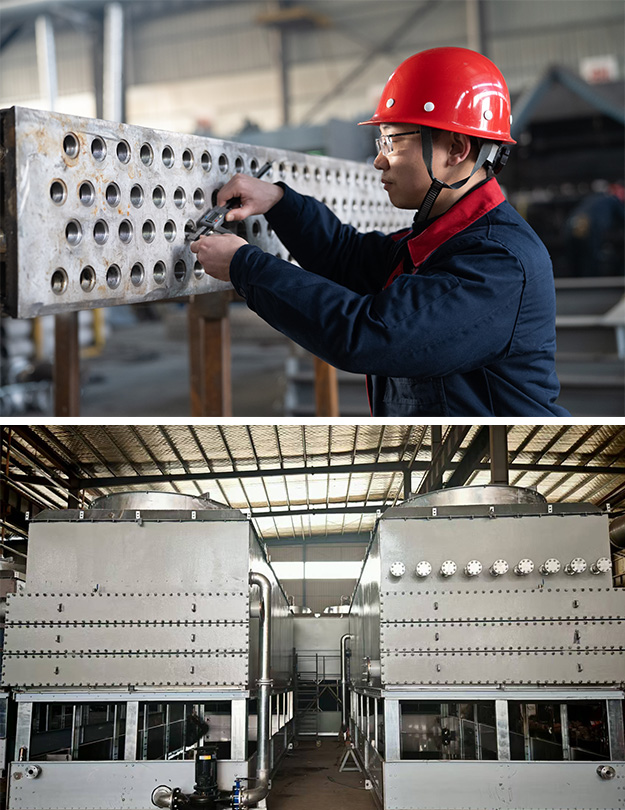
To address these challenges, evaporative condensers can be used to condense a portion of the steam turbine exhaust. By operating the evaporative condenser in combination with the air-cooled condenser, the safety and economy of the steam turbine can be significantly improved.
Email: yubk@lydrev.com

Description

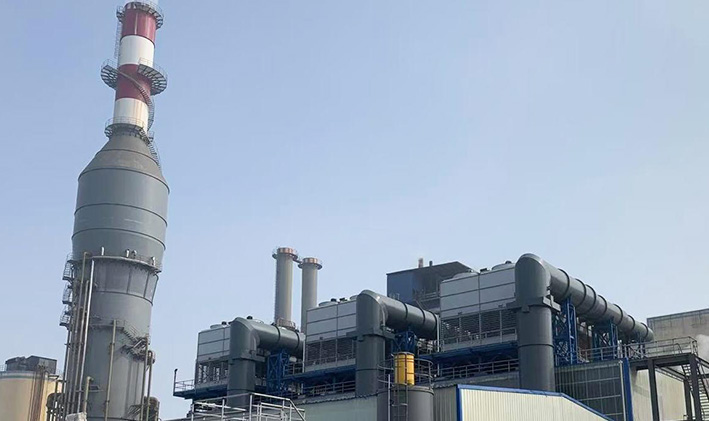
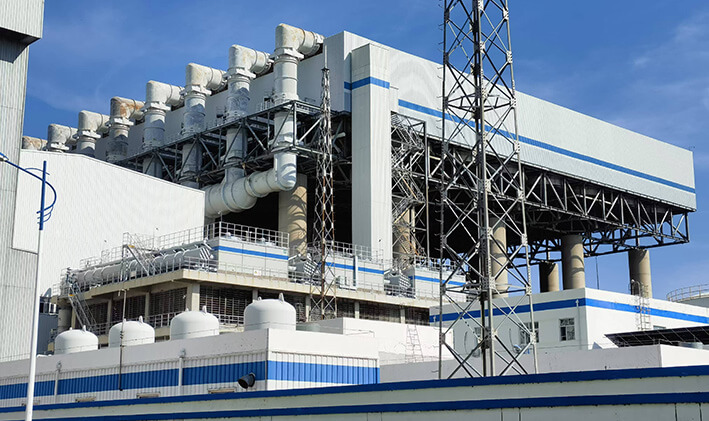
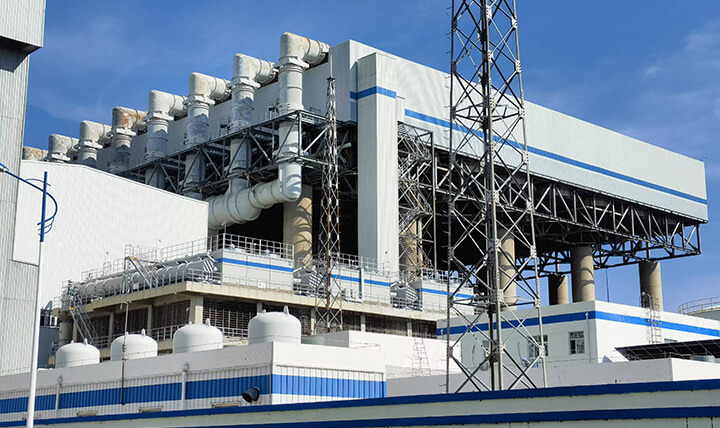
  • As a key auxiliary equipment of steam turbines, the Direct Air-Cooled Condenser (ACC) System is the primary steam condensation equipment for power generation steam turbines and industrial steam turbines in regions such as Northwest China and North China. The direct air-cooled system has gained recognition from society due to its advantages of no pollution, theoretically no water consumption, and no restriction by water sources. It is even mandatorily adopted in some regions.

    However, most inland areas in Northwest China belong to mid-temperate arid regions, featuring typical continental climate characteristics—cold winters, dry springs, hot summers, large temperature differences between day and night, and frequent sandstorm weather in winter and spring. Due to the above external factors (such as temperature, strong winds, and sand and dust), coupled with the increase in equipment service life (which leads to decreased vacuum tightness of the system and increased fouling thermal resistance), the heat exchange performance of the direct air-cooled condenser deteriorates.

    detail-1
  • As a result, the direct air-cooled system faces the following problems in actual operation:
    (1) When the ambient dry-bulb temperature is high in summer, it is difficult for the unit to operate at safe full load. The unit load usually ranges between 70% and 90%, and the standard coal consumption for power supply (or steam consumption rate) increases, leading to reduced thermal economy of the power plant.
    (2) Direct air-cooled units are equipped with a large number of fans with high power. The total power of the fan group in summer is approximately 1% of the unit’s rated power (1.16% in this project). To address the full-load operation issue in summer, adjusting the fan speed further increases the fan power consumption by more than 30%.
    (3) The direct air-cooled system is sensitive to different wind directions and wind speeds. High crosswind speeds reduce the operating capacity of the fans, and different wind directions cause thermal recirculation in the air-cooled system. In areas with concentrated air-cooled units, during periods of tight load in summer, sudden strong winds (caused by weather) can lead to a sudden increase in the operating back pressure of direct air-cooled units, resulting in unit trips. This poses potential safety hazards to power plants and the power grid.
    (4) The condensate temperature is relatively high in summer. For units equipped with a condensate polishing system, this directly affects the performance of the condensate polishing system. Poor steam-water quality causes fouling on boiler heating surfaces and flow passages (such as steam turbine blades and nozzles), increases the risk of boiler tube bursts, and reduces the operational safety and economy of power plant units.
    For air-cooled units, reducing the exhaust pressure of the steam turbine by increasing the heat dissipation capacity of the unit’s cold end is not only an effective way to improve the unit’s thermal economy but also a key measure to ensure its safe operation. Therefore, under the premise of ensuring the safe and economical operation of the unit while reducing the energy consumption of the supply system, increasing the heat dissipation capacity of the air-cooled unit’s cold end has become an effective method to ensure that direct air-cooled units can meet the peak load during summer.

    detail-2
  • detail
  • detail-1
  • detail-2

Fill in Your Requirements

    • Name:

    • *Email:

    • Country:

    • Tel/WhatsApp:

    • *Message:

    Home Tel Mail Inquiry